

Main Distribution Boards
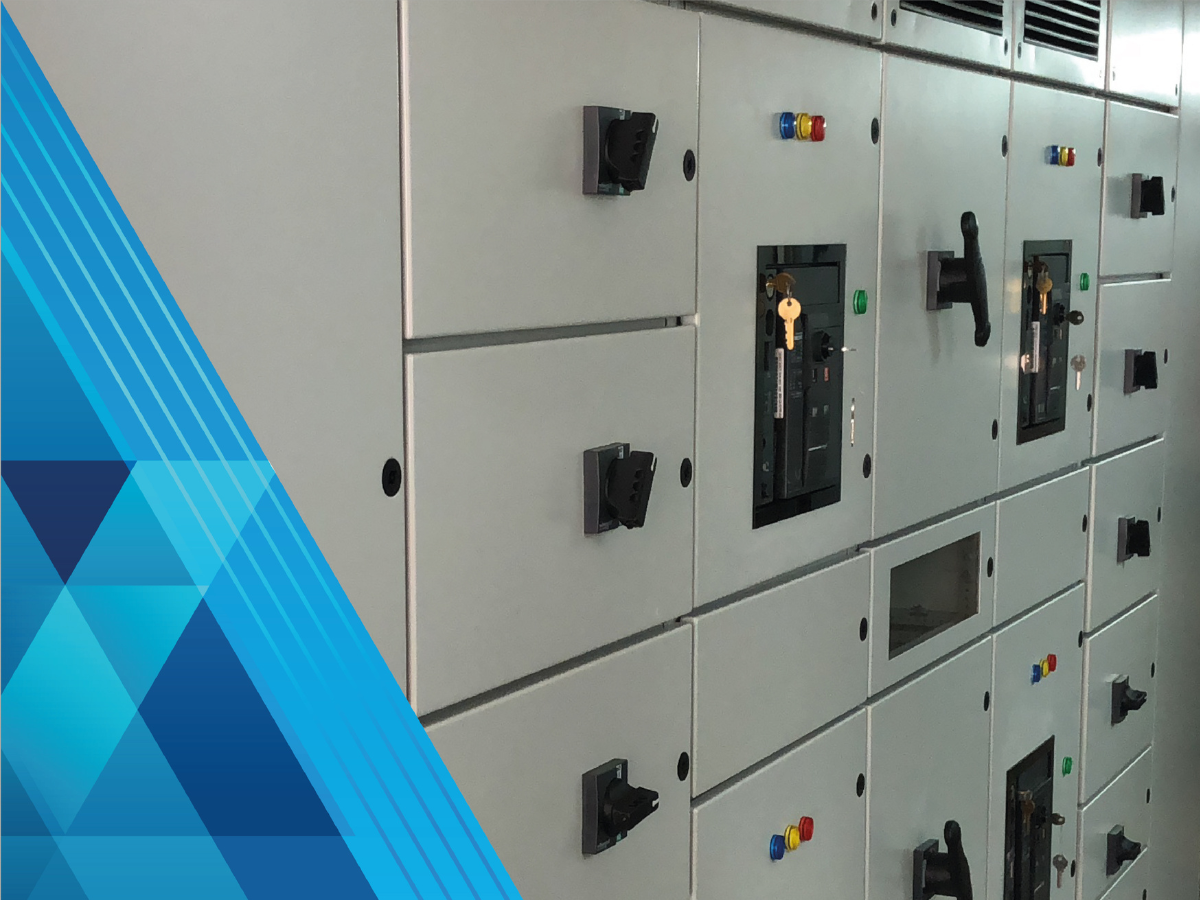
Low Voltage Main Distribution Boards (LV MDBs) are an essential component of electrical distribution
systems in buildings and industrial facilities. They are responsible for distributing electrical power from the incoming electrical supply to various sub-distribution boards, motor control centers, and loads throughout the facility.
LV MDBs often have a modular design. allowing for easy installation, expansion, and maintenance.
Modular construction enables flexibility in configuring the distribution board according to specific requirements and future scalability.
LV MDBs adhere to safety standards and regulations to ensure the protection of personnel and equipment. They incorporate safety features like interlocks, isolation switches, and warning labels to prevent unauthorized access and provide clear indication of live components.
Main Characteristics
| Compliance with standard | IEC 61439-1-2 |
| Vibration test | In accordance with Standard IEC 60068-2-57 |
| Seismic withstand capability test | In accordance with Standard IEEE Std 693 |
| Rated service voltage (Ue) | Up to 1000V AC - 1500V DC |
| Rated insulation voltage (Ui) | Up to 1000V AC - 1500V DC |
| Rated frequency | 50 - 60Hz |
| Rated impulse withstand voltage (Uimp) | 12kV |
| Earthing system | TN-C, TN-S, TN-C.S, TT, IT |
| Rated current (In) | Up to 7100A |
| Rated short-time withstand current (Icw) | Up to 150kA / 1s & 100kA / 3s |
| Rated peak short-circuit current (Ipk) | Up to 330kA |
| IP Protection class | IP 30, 31, 40, 41, 43, 44, 54, 55, 65 |
| IK Protection class | IK 08, 10 |
| Pollution degree | 3 |
| Form of segregation | 1, 2a, 2b, 3a, 3b, 4a, 4b / Form |
Main Distribution Boards
Low Voltage Main Distribution Boards (LV MDBs) are an essential component of electrical distribution
systems in buildings and industrial facilities. They are responsible for distributing electrical power from the incoming electrical supply to various sub-distribution boards, motor control centers, and loads throughout the facility.
LV MDBs often have a modular design. allowing for easy installation, expansion, and maintenance.
Modular construction enables flexibility in configuring the distribution board according to specific requirements and future scalability.
LV MDBs adhere to safety standards and regulations to ensure the protection of personnel and equipment. They incorporate safety features like interlocks, isolation switches, and warning labels to prevent unauthorized access and provide clear indication of live components.
Main Characteristics
| Compliance with standard | IEC 61439-1-2 |
| Vibration test | In accordance with Standard IEC 60068-2-57 |
| Seismic withstand capability test | In accordance with Standard IEEE Std 693 |
| Rated service voltage (Ue) | Up to 1000V AC - 1500V DC |
| Rated insulation voltage (Ui) | Up to 1000V AC - 1500V DC |
| Rated frequency | 50 - 60Hz |
| Rated impulse withstand voltage (Uimp) | 12kV |
| Earthing system | TN-C, TN-S, TN-C.S, TT, IT |
| Rated current (In) | Up to 7100A |
| Rated short-time withstand current (Icw) | Up to 150kA / 1s & 100kA / 3s |
| Rated peak short-circuit current (Ipk) | Up to 330kA |
| IP Protection class | IP 30, 31, 40, 41, 43, 44, 54, 55, 65 |
| IK Protection class | IK 08, 10 |
| Pollution degree | 3 |
| Form of segregation | 1, 2a, 2b, 3a, 3b, 4a, 4b / Form |
Automatic Transfer Switches
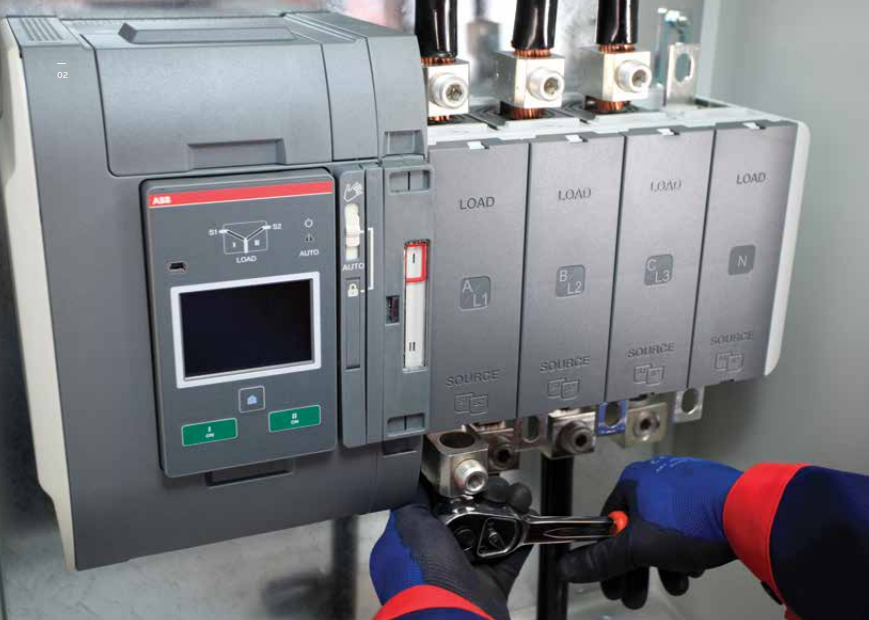
Low Voltage Automatic Transfer Switches (LV ATS) are critical components in electrical power systems that provide a reliable and automated means of transferring power supply between different sources during electrical outages or other abnormal conditions. It features:
Transfer Mechanism: It consists of a switch mechanism, typically in the form of contactors or circuit breakers, that connects the load to the desired power source. When the primary power source fails or falls below a predetermined threshold, the LV ATS detects the condition and automatically initiates the transfer to the alternate source. Once the primary source is restored, the LV ATS transfers the load back to the primary source.

Control and Monitoring: It incorporate control logic and monitoring features to ensure seamless transfer operations. This monitoring allows the ATS to detect anomalies and trigger the transfer process when necessary.
Load Prioritization: LV ATS systems may provide the ability to prioritize certain loads or circuits during power transfer. This feature allows critical loads, such as emergency lighting, medical equipment, or data centers, to receive power first, ensuring their continuous operation during an outage.
Safety and Protection: LV ATS units are designed with safety features to prevent unsafe conditions during the transfer process. They incorporate mechanisms to prevent simultaneous connection of the primary and alternate sources, ensuring safe operation and avoiding damage to equipment or electrical networks
Automatic Transfer Switches
Low Voltage Automatic Transfer Switches (LV ATS) are critical components in electrical power systems that provide a reliable and automated means of transferring power supply between different sources during electrical outages or other abnormal conditions. It features:
Transfer Mechanism: It consists of a switch mechanism, typically in the form of contactors or circuit breakers, that connects the load to the desired power source. When the primary power source fails or falls below a predetermined threshold, the LV ATS detects the condition and automatically initiates the transfer to the alternate source. Once the primary source is restored, the LV ATS transfers the load back to the primary source.
Control and Monitoring: It incorporate control logic and monitoring features to ensure seamless transfer operations. This monitoring allows the ATS to detect anomalies and trigger the transfer process when necessary.
Load Prioritization: LV ATS systems may provide the ability to prioritize certain loads or circuits during power transfer. This feature allows critical loads, such as emergency lighting, medical equipment, or data centers, to receive power first, ensuring their continuous operation during an outage.
Safety and Protection: LV ATS units are designed with safety features to prevent unsafe conditions during the transfer process. They incorporate mechanisms to prevent simultaneous connection of the primary and alternate sources, ensuring safe operation and avoiding damage to equipment or electrical networks
Secondary Distribution Boards
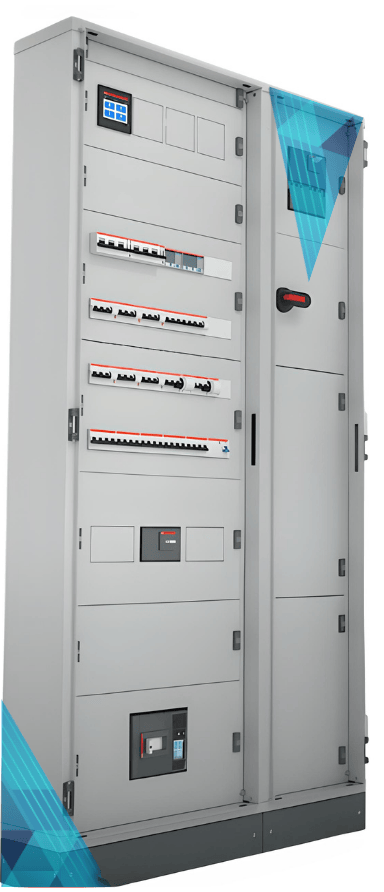
Low Voltage Secondary Distribution Boards (SDB) are electrical panels used to distribute and control electrical power within a building or facility. SDBs receive power from the main distribution board (MDB) and distribute it to various sub-circuits, providing electricity to different areas, equipment, or loads.
Secondary Distribution Boards
Low Voltage Secondary Distribution Boards (SDB) are electrical panels used to distribute and control electrical power within a building or facility. SDBs receive power from the main distribution board (MDB) and distribute it to various sub-circuits, providing electricity to different areas, equipment, or loads.
Motor Control Center
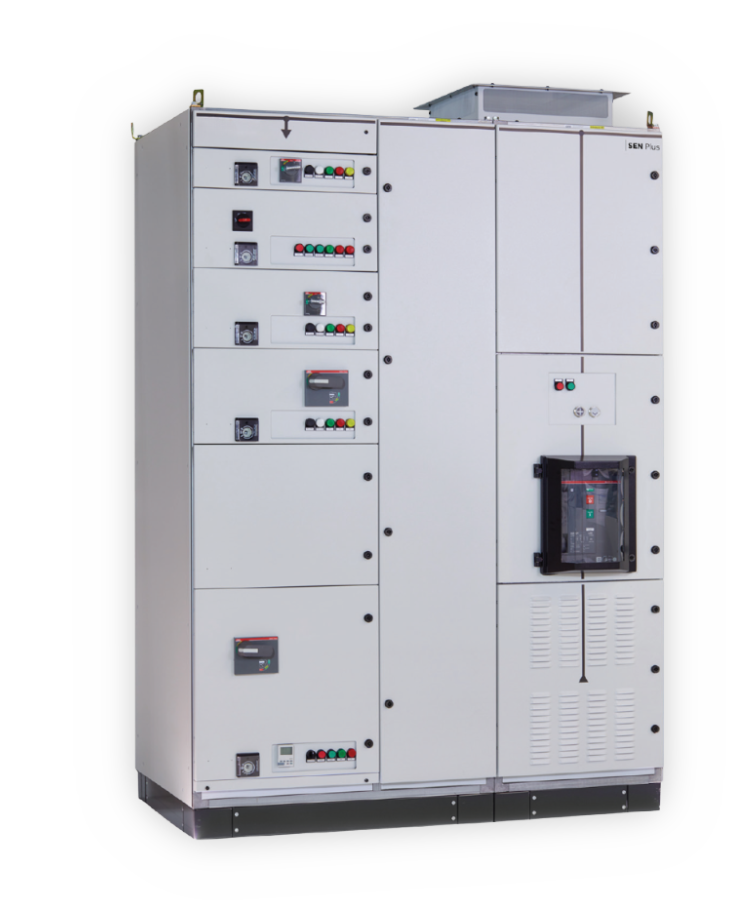
Low Voltage Motor Control Center (LV MCC) is an integrated assembly of motor control units used to control and protect electric motors in industrial and commercial applications. It serves as a centralized control system for multiple motors, providing a safe and efficient means of operating and managing motor-driven equipment.
Motor Control Units: An LV MCC consists of multiple motor control units, also known as motor starters or motor control modules. These units are responsible for starting, stopping, and protecting individual electric motors. They typically include motor starters, contactors, overload relays, electronic drives, and other necessary control devices
Control Circuitry: LV MCCs have a control circuitry that enables the operation of the motor control units both locally and remotely. This control circuitry includes pushbuttons, selector switches, PLCs, HMIs, indicators, and other control devices that allow operators to control and monitor motor operation.
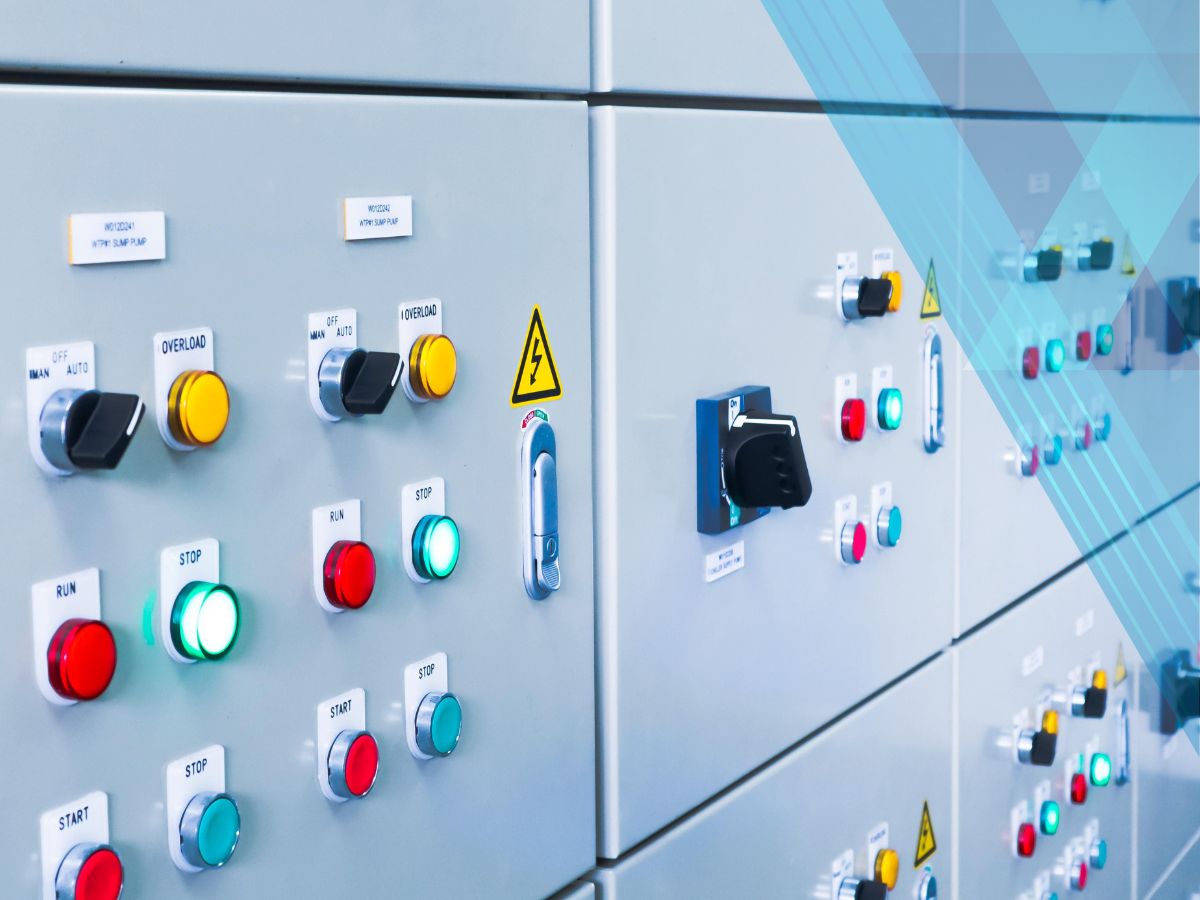
Protection and Safety: LV MCCs incorporate various protective devices to ensure safe operation and prevent damage to motors and equipment. These may include overload relays, short-circuit protection, ground fault protection, and other protective features.
Communication and Monitoring: Some LV MCCs offer communication capabilities for remote monitoring and control. These features allow for integration with supervisory control and data acquisition (SCADA) systems or other monitoring platforms, enabling real-time monitoring of motor parameters, status, and diagnostics.
Modular Design: LV MCCs often have a modular design, allowing for easy installation, expansion, and maintenance. The modular construction enables flexibility in adding or removing motor control units as per the specific motor requirements.
Type and Size of Motors: LV MCCs can accommodate various types and sizes of electric motors, ranging from small fractional horsepower motors to large industrial motors. The MCC is designed to meet the specific voltage and current requirements of the connected motors.
Motor Control Center
Low Voltage Motor Control Center (LV MCC) is an integrated assembly of motor control units used to control and protect electric motors in industrial and commercial applications. It serves as a centralized control system for multiple motors, providing a safe and efficient means of operating and managing motor-driven equipment.
Motor Control Units: An LV MCC consists of multiple motor control units, also known as motor starters or motor control modules. These units are responsible for starting, stopping, and protecting individual electric motors. They typically include motor starters, contactors, overload relays, electronic drives, and other necessary control devices
Control Circuitry: LV MCCs have a control circuitry that enables the operation of the motor control units both locally and remotely. This control circuitry includes pushbuttons, selector switches, PLCs, HMIs, indicators, and other control devices that allow operators to control and monitor motor operation.
Protection and Safety: LV MCCs incorporate various protective devices to ensure safe operation and prevent damage to motors and equipment. These may include overload relays, short-circuit protection, ground fault protection, and other protective features.
Communication and Monitoring: Some LV MCCs offer communication capabilities for remote monitoring and control. These features allow for integration with supervisory control and data acquisition (SCADA) systems or other monitoring platforms, enabling real-time monitoring of motor parameters, status, and diagnostics.
Modular Design: LV MCCs often have a modular design, allowing for easy installation, expansion, and maintenance. The modular construction enables flexibility in adding or removing motor control units as per the specific motor requirements.
Type and Size of Motors: LV MCCs can accommodate various types and sizes of electric motors, ranging from small fractional horsepower motors to large industrial motors. The MCC is designed to meet the specific voltage and current requirements of the connected motors.
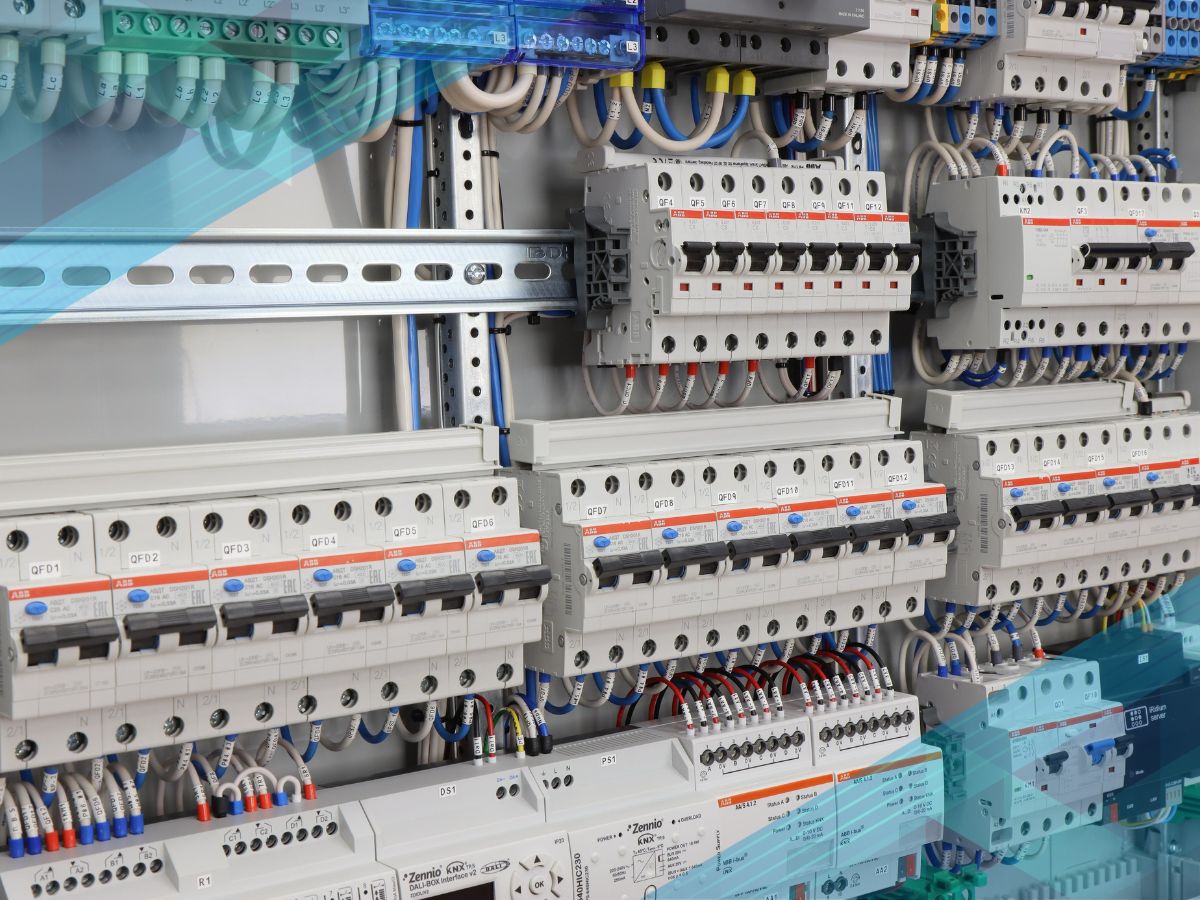
Communication Interfaces: These boards incorporate communication interfaces to enable connectivity with other devices, systems, or networks. This facilitates data exchange, remote monitoring, and integration with higher-level systems, such as supervisory control and data acquisition (SCADA) systems.
Safety and Fault Monitoring: Automation and control boards integrate safety features and fault monitoring systems to ensure safe operations. These may include emergency stop buttons, safety interlocks, fault detection algorithms, and alarm systems to prevent equipment damage and ensure operator safety.
Customization and Integration: Low Voltage Automation and Control Boards are designed to meet the unique requirements of each application. They can be customized based on the specific processes, equipment, and control needs. Integration with existing systems, protocols, and communication standards is also possible to ensure seamless connectivity and interoperability.
Automation and Control Boards
Automation and Control Functions: These boards are designed to automate and control a wide range of processes, such as manufacturing operations, HVAC systems, water treatment plants, pumping stations, conveyor systems, and more. They provide centralized control and monitoring capabilities for improved efficiency, productivity, and safety.
Programmable Logic Controllers (PLCs): PLCs are a key component of automation and control boards. They are industrial-grade computers programmed to execute specific control tasks, process inputs from sensors, and provide outputs to actuators and equipment. PLCs enable precise control logic, sequential operations, and integration with other systems.
Sensor Integration: Automation and control boards interface with various sensors to gather data on parameters such as temperature, pressure, flow rate, level, and more. These sensors provide real-time information to the control system, allowing for accurate monitoring and control of equipment and processes.
Human-Machine Interface (HMI): Automation and control boards often feature an HMI, which is a graphical user interface that allows operators to interact with the system. HMIs provide real-time visualizations, status indicators, alarms, and control options, making it easier for operators to monitor and control the processes.
Automation and Control Boards
Automation and Control Functions: These boards are designed to automate and control a wide range of processes, such as manufacturing operations, HVAC systems, water treatment plants, pumping stations, conveyor systems, and more. They provide centralized control and monitoring capabilities for improved efficiency, productivity, and safety.
Programmable Logic Controllers (PLCs): PLCs are a key component of automation and control boards. They are industrial-grade computers programmed to execute specific control tasks, process inputs from sensors, and provide outputs to actuators and equipment. PLCs enable precise control logic, sequential operations, and integration with other systems.
Sensor Integration: Automation and control boards interface with various sensors to gather data on parameters such as temperature, pressure, flow rate, level, and more. These sensors provide real-time information to the control system, allowing for accurate monitoring and control of equipment and processes.
Human-Machine Interface (HMI): Automation and control boards often feature an HMI, which is a graphical user interface that allows operators to interact with the system. HMIs provide real-time visualizations, status indicators, alarms, and control options, making it easier for operators to monitor and control the processes.
Communication Interfaces: These boards incorporate communication interfaces to enable connectivity with other devices, systems, or networks. This facilitates data exchange, remote monitoring, and integration with higher-level systems, such as supervisory control and data acquisition (SCADA) systems.
Safety and Fault Monitoring: Automation and control boards integrate safety features and fault monitoring systems to ensure safe operations. These may include emergency stop buttons, safety interlocks, fault detection algorithms, and alarm systems to prevent equipment damage and ensure operator safety.
Customization and Integration: Low Voltage Automation and Control Boards are designed to meet the unique requirements of each application. They can be customized based on the specific processes, equipment, and control needs. Integration with existing systems, protocols, and communication standards is also possible to ensure seamless connectivity and interoperability.
PANEL BOARDS FOR SPECIAL APPLICATION

Data Center Application
Low voltage panel boards designed specifically for data center applications, delivering reliable and efficient power distribution to support critical IT infrastructure. Engineered for high performance, they ensure seamless integration with UPS systems, power distribution units (PDUs), and backup power sources, minimizing downtime and enhancing operational resilience.
One of the key features of our panel boards is their role in power redundancy, a crucial aspect of data center reliability. By supporting multiple redundancy configurations, including N+1, 2N, and 2N+1 architectures, our panel boards ensure continuous power availability, even in the event of equipment failure or maintenance downtime. N+1 redundancy provides an extra backup component (such as an additional power source or circuit breaker) to safeguard against single points of failure. 2N redundancy offers complete duplication of the power system, ensuring that each critical load has a fully independent backup path. 2N+1 takes this a step further, incorporating both system duplication and additional backup capacity for maximum resilience.
Additionally, our panel boards integrate automatic transfer switches (ATS) and static transfer switches (STS) to enable seamless switching between primary and backup power sources. This ensures uninterrupted operation during power fluctuations, outages, or maintenance events. With real-time power monitoring and fault detection, our solutions proactively identify potential issues before they impact operations, further strengthening reliability.
Designed for scalability and compliance with industry standards, our low voltage panel boards provide data centers with the robust power infrastructure needed to maintain uptime, protect mission-critical equipment, and support future growth. Whether for new installations or upgrades, our solutions deliver the efficiency, safety, and resilience essential for today’s high-demand data environments.
Data Center Application
Low voltage panel boards designed specifically for data center applications, delivering reliable and efficient power distribution to support critical IT infrastructure. Engineered for high performance, they ensure seamless integration with UPS systems, power distribution units (PDUs), and backup power sources, minimizing downtime and enhancing operational resilience.
One of the key features of our panel boards is their role in power redundancy, a crucial aspect of data center reliability. By supporting multiple redundancy configurations, including N+1, 2N, and 2N+1 architectures, our panel boards ensure continuous power availability, even in the event of equipment failure or maintenance downtime. N+1 redundancy provides an extra backup component (such as an additional power source or circuit breaker) to safeguard against single points of failure. 2N redundancy offers complete duplication of the power system, ensuring that each critical load has a fully independent backup path. 2N+1 takes this a step further, incorporating both system duplication and additional backup capacity for maximum resilience.
Additionally, our panel boards integrate automatic transfer switches (ATS) and static transfer switches (STS) to enable seamless switching between primary and backup power sources. This ensures uninterrupted operation during power fluctuations, outages, or maintenance events. With real-time power monitoring and fault detection, our solutions proactively identify potential issues before they impact operations, further strengthening reliability.
Designed for scalability and compliance with industry standards, our low voltage panel boards provide data centers with the robust power infrastructure needed to maintain uptime, protect mission-critical equipment, and support future growth. Whether for new installations or upgrades, our solutions deliver the efficiency, safety, and resilience essential for today’s high-demand data environments.
Photovoltaic Application
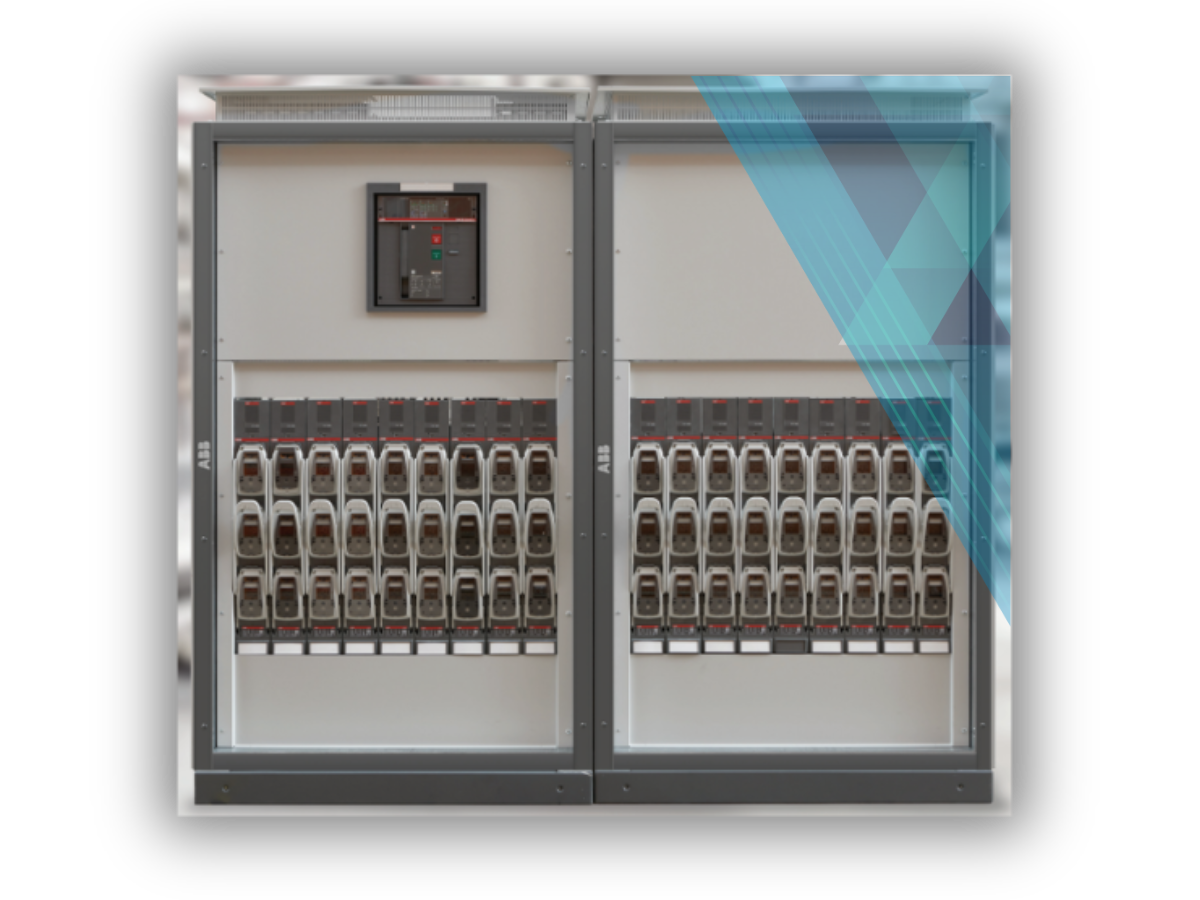
The new Pro E top busbar switchboard configuration introduces a certified, compact, space-saving 800V AC solution designed for low voltage power collection in utility-scale and large photovoltaic plants using high-power string inverters. Fully compliant with IEC 61439-2, it enhances power density while reducing balance of system costs. Designed for skid and compact substation installations, it features three main sections:
(1) Breaker Section, incorporating the Emax 2 E4.2S/E10 (4000A) breaker, certified for Annex H IEC 60947-2;
(2) Inverter Protection Section, supporting up to 9 InLine II fuse switches per column with AC-22B utilization at 800V, offering flexible connection options and fuse-blown monitoring;
(3) Auxiliary Section, housing essential components like fuse switches, isolation monitors, voltage transformers, and surge protection devices for remote monitoring and grid interface protection. This innovative design ensures efficiency, reliability, and adaptability for modern renewable energy infrastructure.
Photovoltaic Application
The new Pro E top busbar switchboard configuration introduces a certified, compact, space-saving 800V AC solution designed for low voltage power collection in utility-scale and large photovoltaic plants using high-power string inverters. Fully compliant with IEC 61439-2, it enhances power density while reducing balance of system costs. Designed for skid and compact substation installations, it features three main sections:
(1) Breaker Section, incorporating the Emax 2 E4.2S/E10 (4000A) breaker, certified for Annex H IEC 60947-2;
(2) Inverter Protection Section, supporting up to 9 InLine II fuse switches per column with AC-22B utilization at 800V, offering flexible connection options and fuse-blown monitoring;
(3) Auxiliary Section, housing essential components like fuse switches, isolation monitors, voltage transformers, and surge protection devices for remote monitoring and grid interface protection. This innovative design ensures efficiency, reliability, and adaptability for modern renewable energy infrastructure.
Key characteristics of the configuration
| Compliance with standard |
IEC 61439-1-2 Enel tenders compliance |
| Type of installation | Indoor, front access |
| Rated service voltage Ue | 800V AC |
| Rated insulation voltage Ui | up to 1000V AC – 1500V DC |
| Rated frequency | 50-60Hz |
| Rated impulse withstand voltage Uimp | 12kV (8kV for InLine) |
| Rated current In | up to 3622A |
| Rated short-time withstand current Icw | up to 50kA (1s) |
| Rated peak short-circuit current Ipk | up to 105kA |
| IP protection class | IP30 |
| RAL | 7035 orange peel |
| Form of segregation |
Breaker section – 4b Inverter protection section – 3b Auxiliary section – 2a |
| Functional dimensions | |
| Height | 1800 mm |
| Width | 2000 mm (1000 mm per each column) |
| Depth | 700 mm |
| External dimensions | |
| Height | 2114 mm |
| Width | 2216 mm |
| Depth | 817 mm |